Future Soundscapes
An exploration of the role of sound in shaping sustainable city development that created collective reflection on what urban futures could sound like.
Country
Sweden
Duration
April–June 2024.
Lead partners
Centre for Sustainable Urban Futures at Chalmers University of Technology. Other partners were the Gothenburg Centre for Sustainable Development at University of Gothenburg, Aftonstjärnan Theatre, the Radio Museum in Gothenburg, and the City of Gothenburg.
Societal areas of impact
Climate & Environmental Sustainability, Democracy & Civic Participation, Culture, Memory & Identity
Process
Joint research, Intermediation, Engagement, Dissemination
Brief Description
Future Soundscapes explored the role of sound in shaping sustainable city development. Rather than treating urban sound only as “noise” to be reduced, the project asked: what are the sounds of a good city? Researchers, artists, citizens and city representatives worked together to record sounds they wanted more or less of in their neighbourhoods.
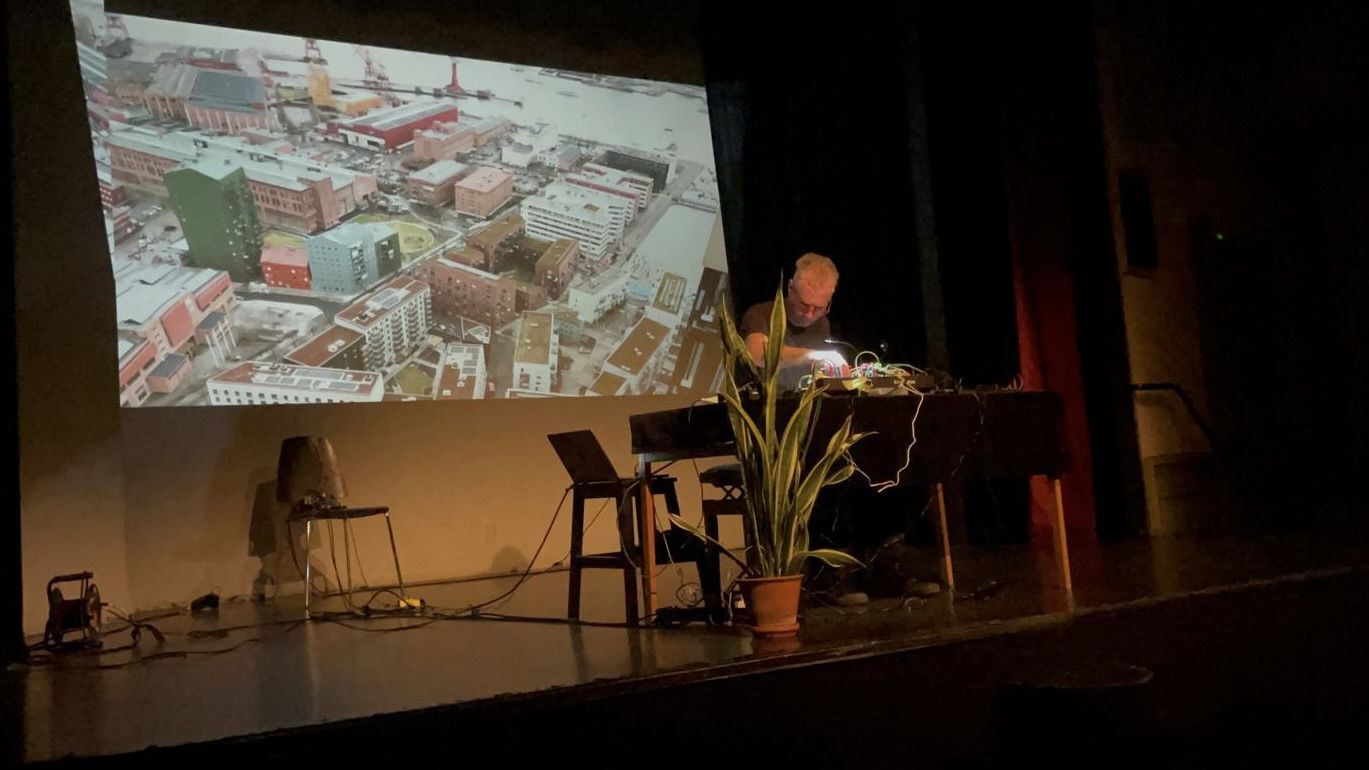
Through two workshops and a public performance at Aftonstjärnan theatre, participants co-created future soundscapes from their own recordings and online material – ranging from birdsong and children playing to traffic or construction noise – with the guiding question, “What is the sound of people living harmoniously with nature?”
The process created a collective reflection on what urban futures could sound like, and how sound might be integrated into city planning. These contributions not only shaped the co-created soundscapes but also fed back into the research, inspiring new ways of framing questions about sustainability and future city planning.
Collaboration Methodology
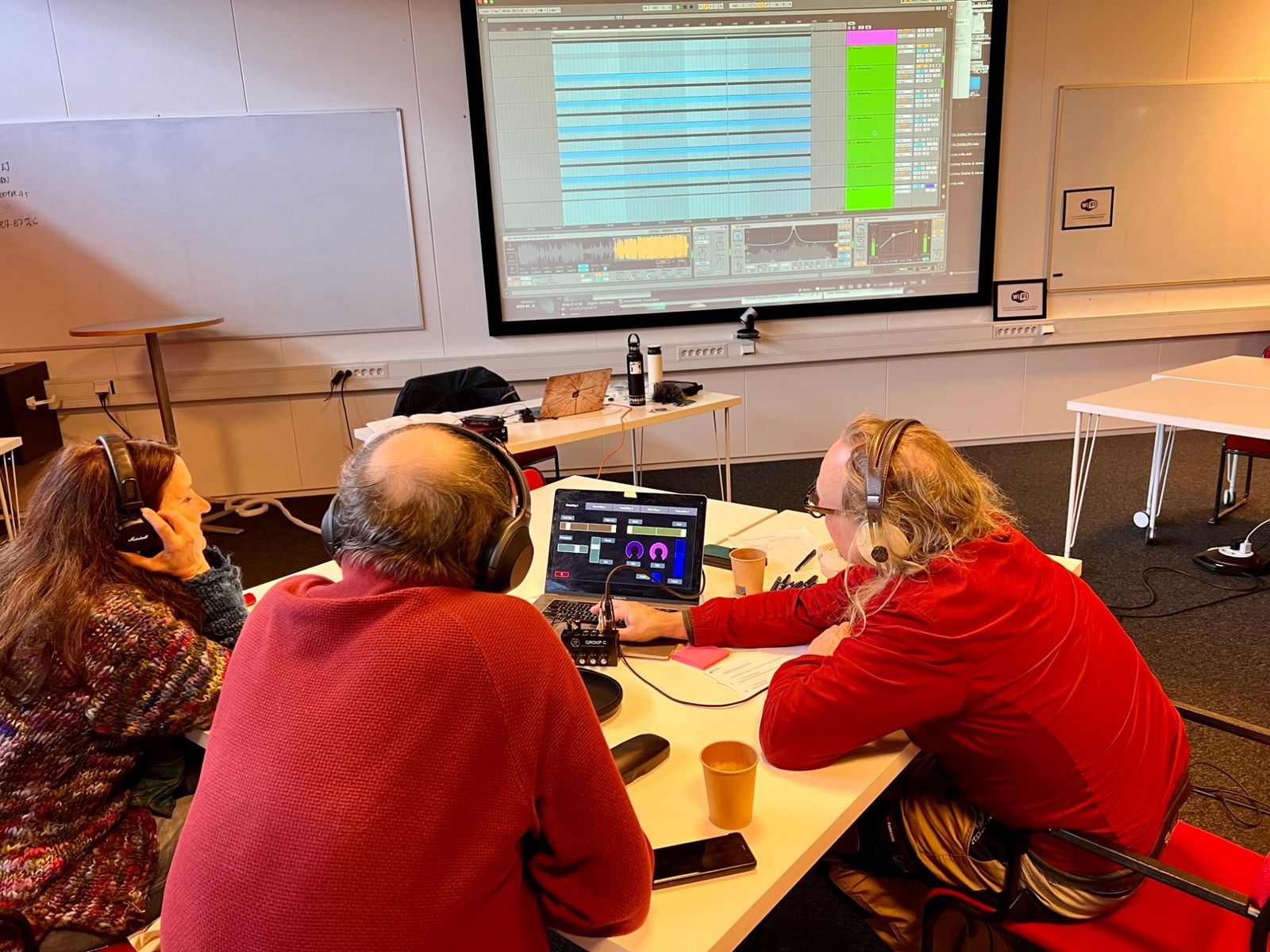
At a full-day workshop held at Lindholmen science park, participants first learned basic sound recording techniques, then gathered sounds in their neighbourhoods. Using participants’ own mobile phones lowered barriers and empowered people to create their own contributions. Working in groups, they selected recordings that best expressed their vision of a future city. The sounds were collected, mixed, and presented in a live performance, where participants could hear their own contributions.
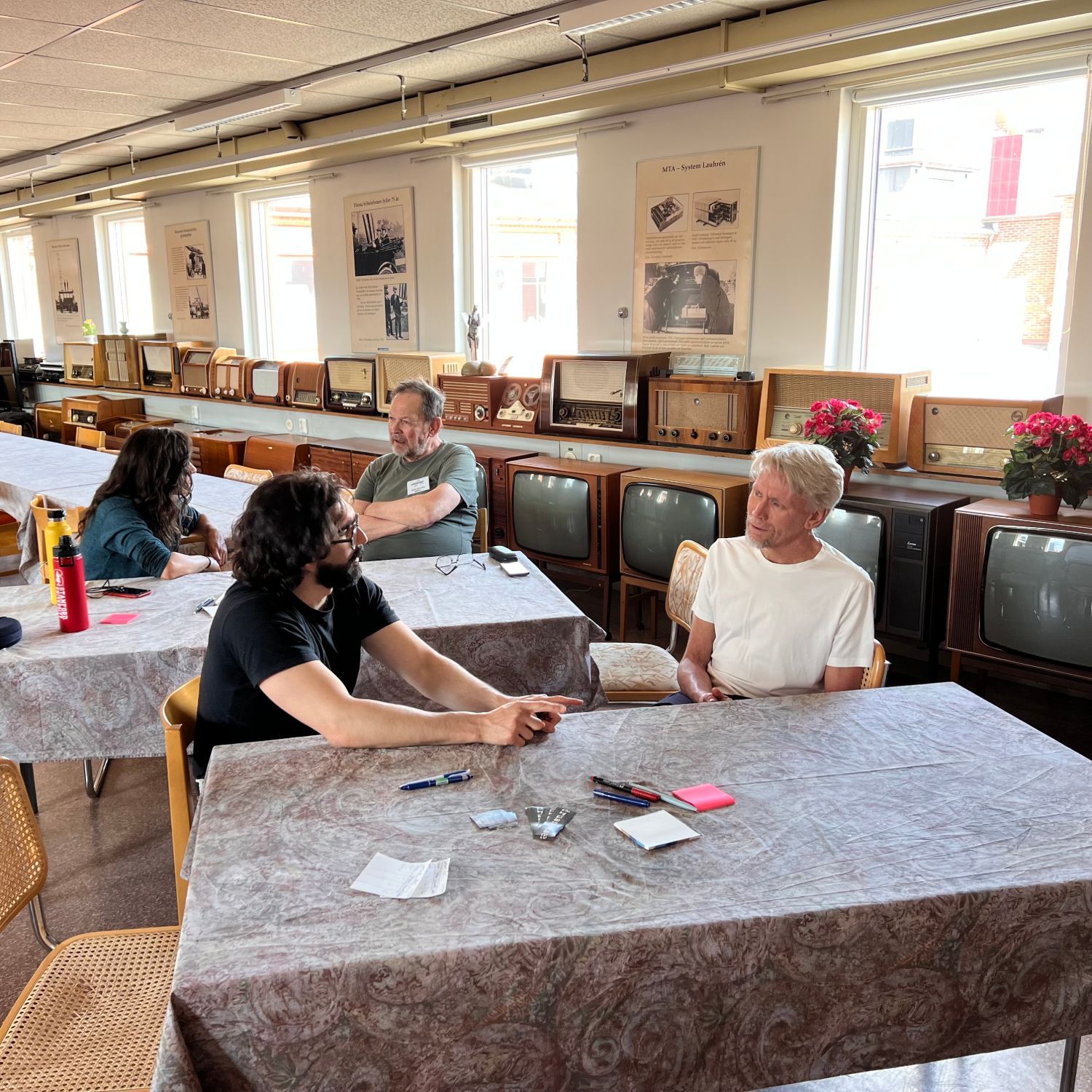
The second workshop extended the palette by using free online sound archives, allowing for desirable sounds (like children playing outdoors) that could not be recorded on the day. The guiding question was “What is the sound of people living harmoniously with nature?”
Interview
Case study based on an interview conducted with Dr Steve Williams, Physical Resource Theory, Space, Earth and Environment, Chalmers University of Technology (June 2025).
Successes
- Innovative use of sound as a method for envisioning urban futures.
- Engagement with city staff considering sound as more than noise.
Challenges
- Poor weather limited the range of recordings during the first workshop addressed by supplementing with online sources in the second workshop.
- Time required for workshops limited participation.
Stakeholders & Participants

Artists
Dr. Steve Williams (Chalmers/University of Oslo) is a sound artist working under the name drusnoise.

Researchers
Dr. Steve Williams (Chalmers/University of Oslo) is a sustainability researcher and sound artist.

Citizens
Citizens of all ages including residents, retirees, an artist, a city representative, and a parent with his 9-year-old son.

Other Stakeholders
Participants with different research backgrounds.
Knowledge Valorisation

Main Outputs
- Public theatre performance at Teater Aftonstjärnan
- Artwork exhibited at Vetenskapsfestivalen in Gothenburg

Societal Value
Lowered barriers to public participation in urban planning by inviting citizens to contribute creatively, in ways more inclusive than traditional consultation meetings.

Cultural Value
Expanded artistic practice in sound art to include participatory urban planning dialogues.
Knowledge Transfer
Gothenburg municipality showed interest in the concept of “cultural sound zones”, exploring how sound could be managed as part of city planning – not just as noise to reduce, but as a resource to design liveable futures.

Creative Methods
Sound recording via mobile phones, group workshops, public performance, co-created soundscapes.

Unexpected Impact
Led to followup project in Utrecht NL Summer 2024; Seed of ERC 2026 Starting Grant Proposal
Partcipatory processes
Joint Research
Citizens collected sound recordings that reflected their own visions of desirable urban futures.
Intermediation
The project built connections between the participants through activities in different spaces – a science park, a theatre, and a museum – also contributing value to the project.
Engagement
Participants involved in the workshops and creating the recordings.
Dissemination
Public theatre performance and later as part of Vetenskapsfestivalen i Göteborg (Gothenburg Science Festival), where audiences could listen to and reflect on the sounds of imagined urban futures.
Explore
Further Info
- Project site: sustain.fm/fss
- Urban Futures: Future Soundscapes