ORION – ÆON
A speculative design artwork and public dialogues inviting reflection on genome editing, longevity, and the ethical question of whether humans should live forever.
Country
Germany
Duration
2017–2021
Lead partners
Max Delbrück Center for Molecular Medicine (Germany) as part of the ORION Open Science Horizon 2020 project, coordinated by the Centre for Genomic Regulation (Spain).
Societal areas of impact
Health & Wellbeing
Process
Joint research, Intermediation, Engagement, Dissemination
Brief Description
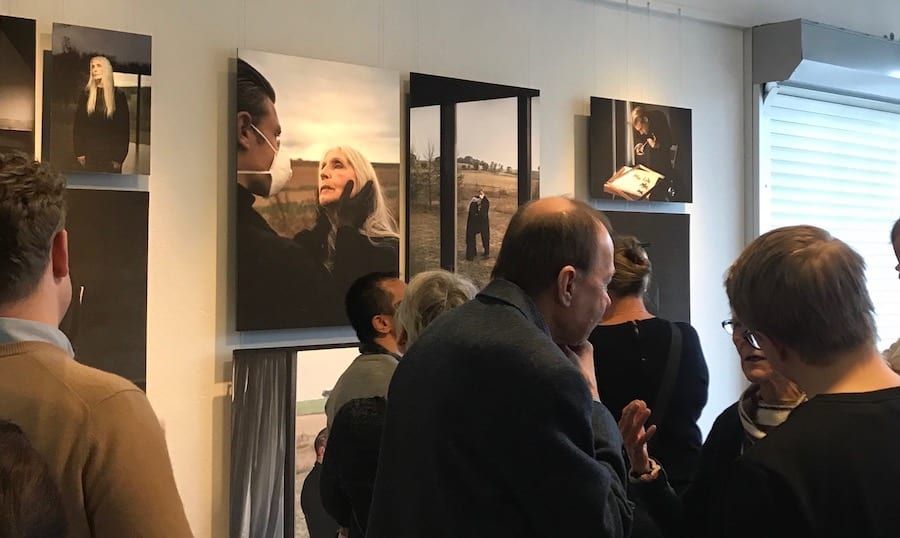
The EU ORION Open Science project explored new ways to make biomedical research more open, participatory, and socially relevant. One strand focused on an artist residency at MDC Berlin, where artist Emilia Tikka developed the speculative design artwork ÆON – Trajectories of Longevity and CRISPR. The installation envisioned a future where genome editing might prevent aging, raising ethical, philosophical, and societal questions, such as Would you want to live forever?
The artwork was used to accompany a series of public dialogues in four countries as a cultural stimulus, sparking discussion and reflection on the future societal impact of genome editing. The piece was also exhibited at multiple public venues, further extending debate.
Collaboration Methodology
The residency embedded Emilia within MDC for three months. She worked in the labs alongside the researchers and conducted proof of principle experiments, which provided the scientific basis for the art piece. Her speculative design practice enabled translation of abstract biomedical concepts into a tangible, thought-provoking scenario around the question: If there was a medicine that could stop physical ageing – would you take it?
Public dialogues followed a two-step methodology:
- Session 1: Built foundational knowledge, introduced case studies, and framed issues.
- Session 2: Explored future scenarios, communication preferences, and ethical concerns.
This structure gave participants space to reflect, learn, and develop their perspectives over time. Researchers contributed as expert resources, but the process was carefully facilitated to centre citizen voices.
Interview
Case study based on an interview conducted with Luiza Bengtsson (previously Public Engagement and Knowledge Exchange Officer at the Max Delbrück Centre for Molecular Medicine) (September 2025).
Successes
- Artwork acted as an effective stimulus for philosophical and ethical debate.
- Inclusive dialogue methods reached citizens outside traditional science audiences.
- Strong facilitation enabled trust and mutual respect.
- The relatable theme of longevity made complex science accessible.
Challenges
Bridging disciplinary languages and expectations during the residency required intensive facilitation, a role undertaken by the public engagement manager at MDC.
Needs Identified
- Skilled intermediaries to mediate between sectors.
- Sufficient funding and time for residencies, dialogues and exhibitions.
- Use of relatable framing to connect public audiences with abstract technologies.
Stakeholders & Participants

Artists
Emilia Tikka – Berlin-based transdisciplinary artist/designer. Selected via an open call, she undertook a three-month residency at MDC. Although she began the residency with an initial concept, the idea evolved substantially through dialogue with researchers into what became ÆON. She engaged with scientists, created the art piece, and contributed to dialogue events and exhibitions.

Researchers
Molecular biologists and life science experts at MDC hosted Emilia and provided scientific context. Researchers in participating countries acted as expert contributors in the dialogues, offering insights on genome editing without steering discussions. Motivation included curiosity, prior positive experiences with art-science collaborations, and a wish to open up their work.

Citizens
Approximately 30 per country participated in the public dialogues, recruited by professional agencies to ensure diversity across age, gender, education, and backgrounds (most with no prior science engagement experience). They received a nominal financial incentive to participate.

Other Stakeholders
National project partners co-designed and facilitated the public dialogues along with IPSOS Mori.
Knowledge Valorisation

Main Outputs
- ÆON – Trajectories of Longevity and CRISPR artwork (photography, speculative inhaler)
- Public dialogues in four countries
- Public dialogue how-to guide and country reports
- Exhibitions and panel discussions

Societal Value
Increased public understanding of genome editing and CRISPR, especially among audiences with no prior exposure. Opened debate on risks, ethics, and desirability of longevity interventions.

Cultural Value
Enriched speculative design and art-science practice; inspired Emilia to pursue a PhD at Aalto University, School of Arts, Design and Architecture.
Knowledge Transfer
Insights and dialogue methodologies documented in reports; artwork exhibited internationally; researchers gained experience in how to frame and communicate complex science with diverse publics.

Creative Methods
Speculative design, photography, installation art, facilitated dialogues and storytelling.

Unexpected Impact
The ÆON project was a springboard for the artist's career development.
Partcipatory processes
Joint Research
While the residency and dialogues did not directly shape scientific research, they offered researchers additional opportunities to reflect on issues of public trust, values, and ethical responsibilities, particularly the potential long-term consequences of their work beyond the immediate scope of their research questions.
Intermediation
ÆON functioned as a cultural mediator, connecting speculative futures with scientific possibility. The project structured exchanges between artists, researchers, and citizens.
Engagement
Public dialogues empowered citizens as stakeholders rather than passive audiences. The format fostered inclusion, mutual learning, and deliberation on sensitive questions related to biotechnology and what science can – and cannot – do.
Dissemination
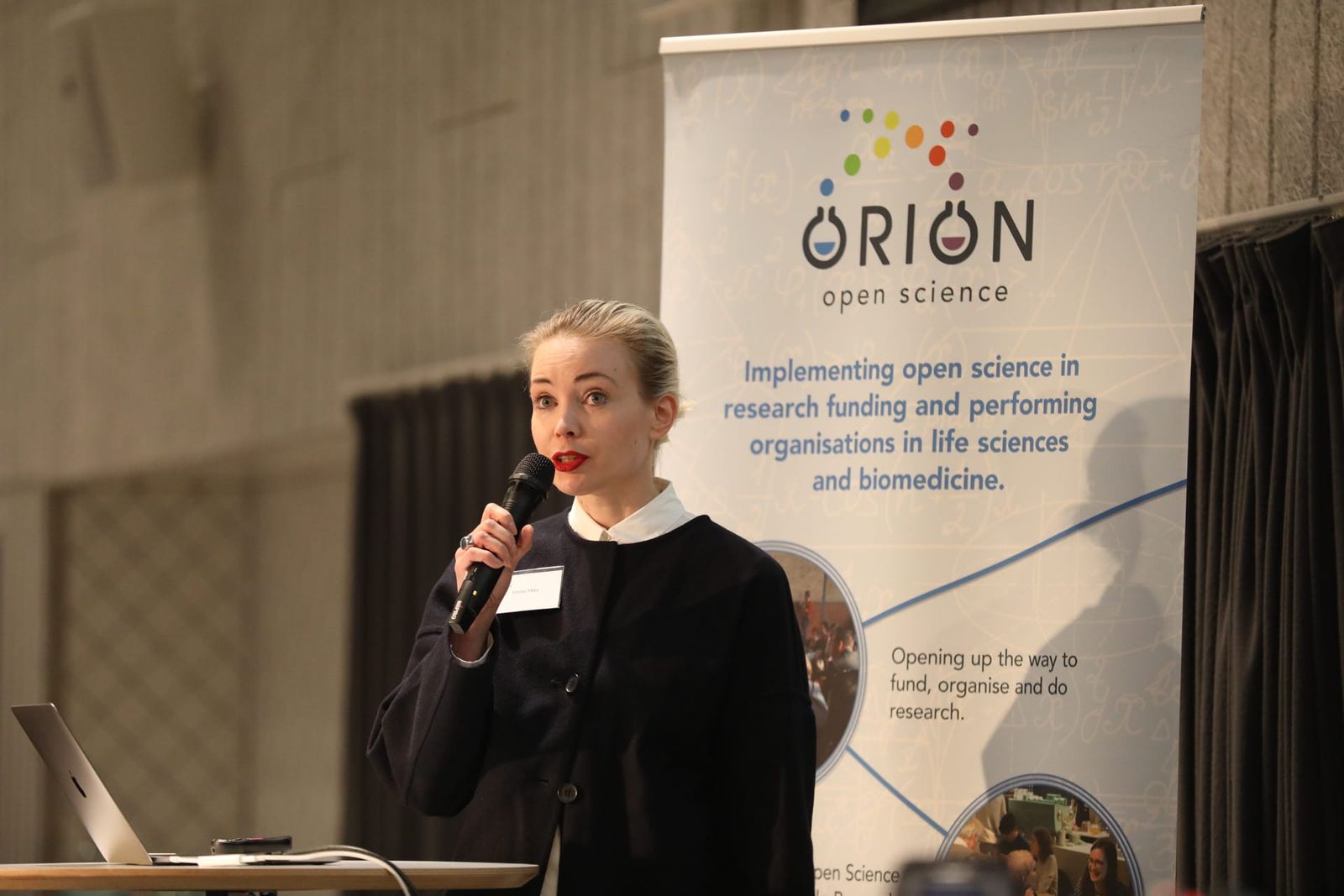
The artwork was showcased widely – at STATE Studio during Berlin Science Week, the Long Night of Sciences, Stockholm's National Museum of Science and Technology, at conferences such as the Forum Wissenschaftskommunikation, and in association with dialogue events in Czechia, Germany, Sweden and the UK. Emilia introduced the work at exhibitions and also through recorded materials.
Explore
Further Info
Recognition
- ÆON exhibited internationally at science festivals, museums, and public events.
- Widespread media coverage in national, regional, and international press across science and art sectors.