G-Lands

An art–science collaboration exploring the lived impact of head and neck cancer treatment, using creative labs and exhibitions to share patient experiences and deepen understanding of xerostomia.

Country

UK

Duration
Idea developed in 2019, ran 2021–202
Lead partners
Centre for Regenerative Medicine (CRM), University of Edinburgh, UK in partnership with the non-profit organisation ASCUS Art and Science.
Societal areas of impact
Health & Wellbeing
Process
Joint research, Intermediation, Engagement, Dissemination

Brief Description
The project explored the side-effects of radiotherapy for head and neck cancer, which can damage salivary glands and lead to xerostomia (chronic dry mouth). While Centre for Regenerative Medicine (CRM) research aims to restore salivary gland function through regenerative strategies, artist Emily Fong raised questions about the “afterlife” of organs once removed, and how patients live with the long-term consequences of treatment. G-Lands connected regenerative medicine research with creative practice and patient experience through a residency, participatory workshops, and exhibitions.
Collaboration Methodology
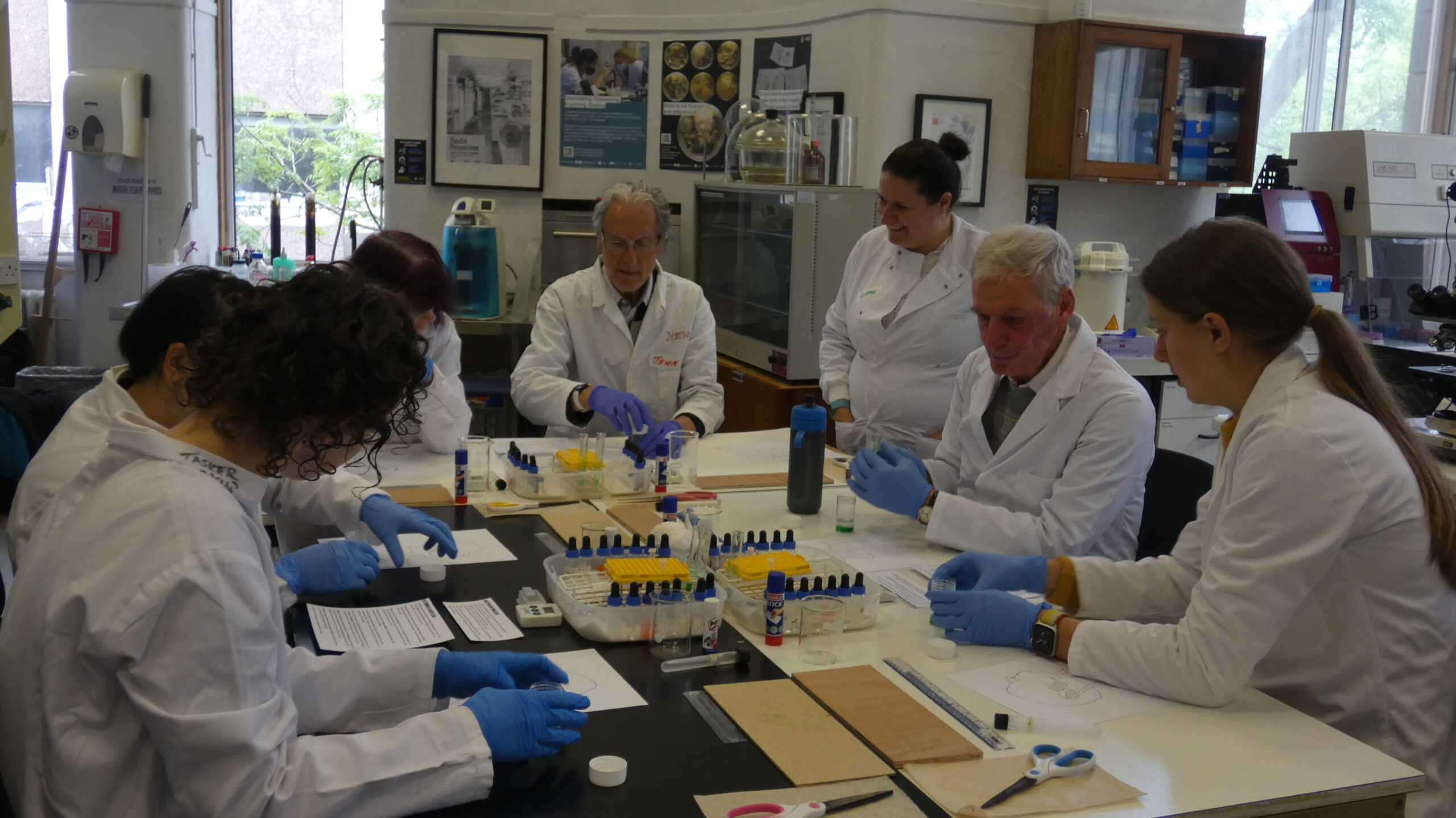
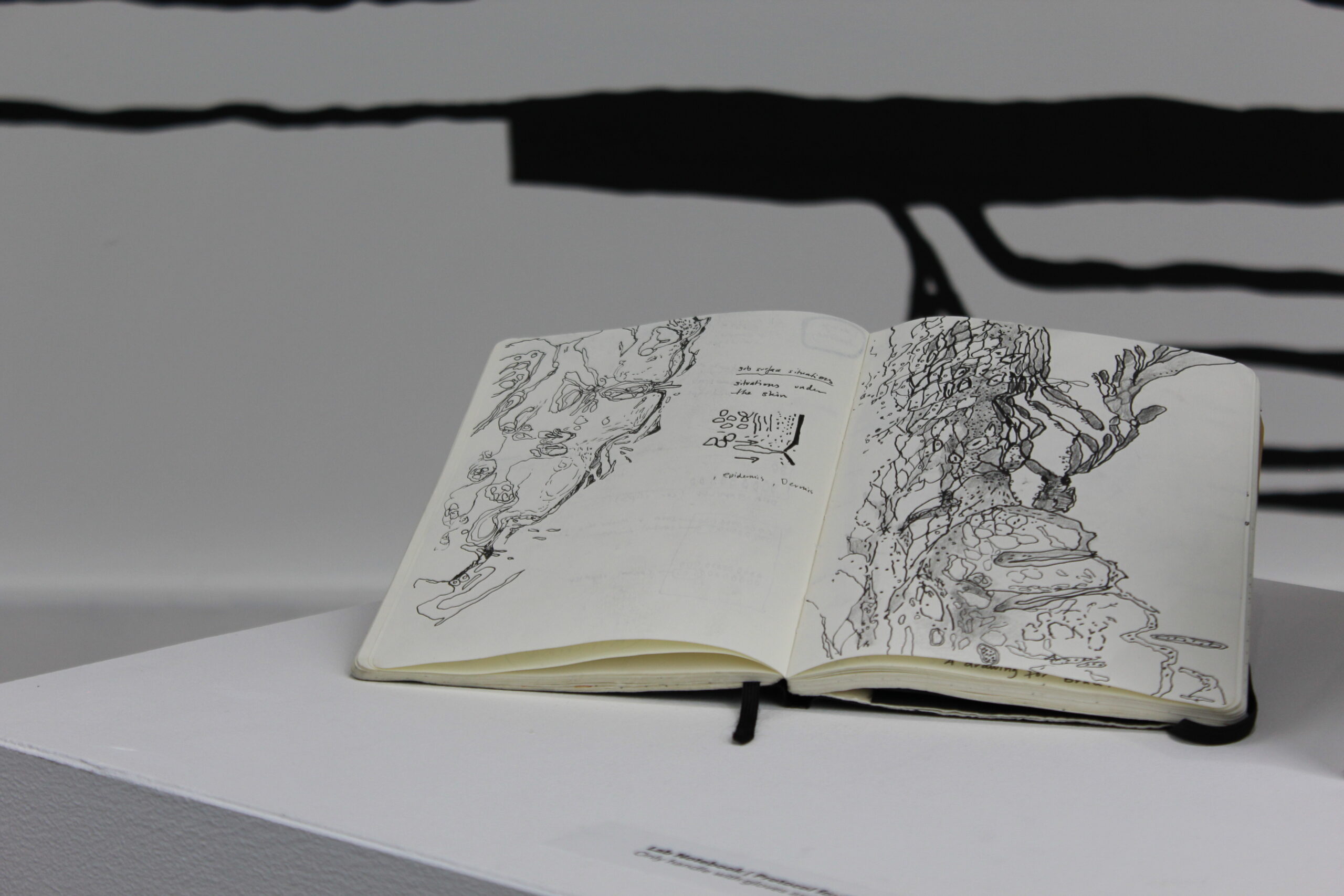
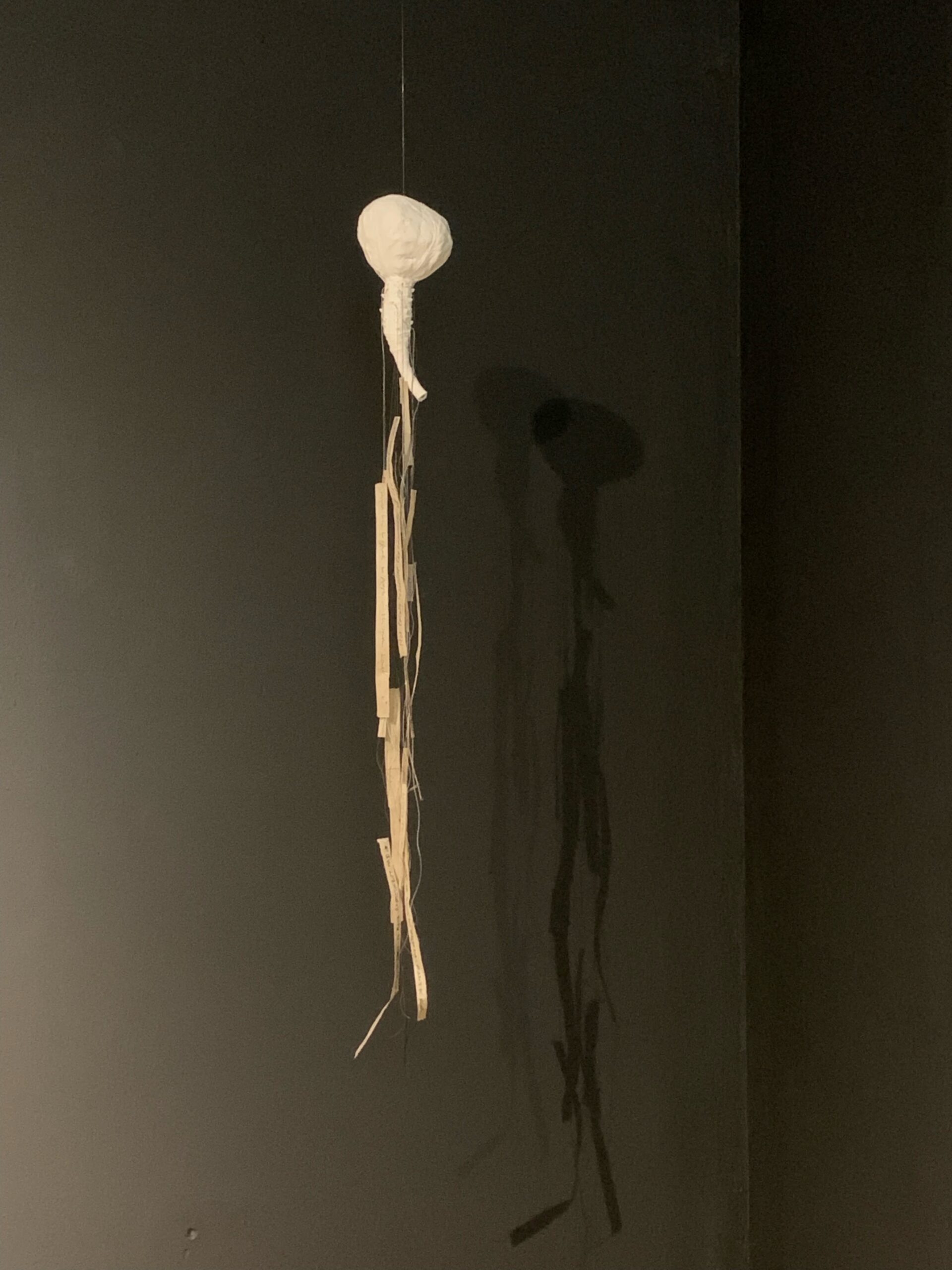
Emily’s residency at CRM gave her the opportunity to observe the journey of the salivary gland from surgery to the laboratory, sparking her fascination with its “afterlife.” Together with Elaine, she also joined online cancer support groups where she sketched and listened to patients’ stories. This ongoing engagement informed the workshops and ensured that patient voices shaped the process. The workshops were co-designed by the artist, researcher, and ASCUS. A pilot workshop was run first, then refined for a second session with eight participants each. The workshops combined scientific activities (such as DNA extraction, microscopy, and bacterial cultures) with creative outputs, giving patients both scientific insight and a means of expression. The outputs included Emily’s own artworks (a wax head, lab sketchbook, microscope images) and patient-created pieces (poem, sculpture). These were presented at a six-week exhibition at the Edinburgh Science Festival. Following a request from an exhibition visitor, the workshop was later adapted for a school in a disadvantaged area. A permanent display of artworks at CRM continues to keep the patient perspective present within the research environment.
Interview
Case study based on an interview conducted with ​​Keira Tucker, Manager of ASCUS (September 2025)
Successes
Hands-on workshops encouraged dialogue and demystified science. The project had ripple effects into schools and communities. ASCUS provided a safe, accessible lab environment and mediated effectively between artists and scientists. Flexible design and existing networks supported success.
Challenges
Recruitment was sometimes difficult, with some patients fearing they might be treated like “guinea pigs.” Participants were at very different stages of their medical journeys, requiring sensitive facilitation. COVID-19 caused disruptions. Language and terminology barriers between art and science required careful mediation and trust-building.
Needs Identified
Flexible funding without administrative burden; building trust and relationships between partners; safe participatory spaces with clear codes of conduct; mediation across disciplines.
Stakeholders & Participants

Artists

Emily Fong – visual artist working across drawing, printmaking, and sculpture, with a focus on medical art. She undertook an artist residency at CRM, developed artworks, co-designed workshops, and contributed to exhibitions.

Researchers

Dr Elaine Emmerson – regenerative medicine researcher at CRM. She contributed scientific expertise, guided workshop content, and engaged directly with patients in participatory activities.

Citizens

Sixteen participants across two workshops. Mainly cancer patients recruited through cancer support groups, mailing lists, and flyers. They shared experiences, co-created artworks, and contributed to workshops and exhibitions.

Other Stakeholders

ASCUS Art and Science acted as the facilitator and host, providing a neutral, public lab space and bridging between art and science.

Knowledge Valorisation

Main Outputs

Artworks by Emily Fong and patients, Edinburgh Science Festival exhibition, follow-up school workshop, permanent display at CRM.

Societal Value

Improved public understanding of xerostomia and the side-effects of cancer, created safe spaces for patients to share and explore their experiences, and allowed them to explain their condition more easily to families.

Cultural Value

Broadened medical art practices and created artistic expressions of illness and recovery.

Knowledge Transfer

Public exhibitions and school workshops increased awareness; tangible patient-created works were shared with families; permanent display at CRM serves as a reminder to researchers of patient realities.

Creative Methods

Storytelling, sculpture, participatory labs, and experiments.

Unexpected Impact

A researcher involved in the pilot later collaborated with Emily Fong on a separate project.

Partcipatory processes

Joint Research

Patient experiences fed into CRM’s regenerative medicine research.

Intermediation

The project created dialogue and collaboration between scientists, artists, and patients.

Engagement

Participatory lab workshops, co-created artworks, and a follow-up school workshop.

Dissemination

Six-week public exhibition at the 2022 Edinburgh Science Festival and creative works that patients used to explain their condition to families

Explore

ASCUS Art & Science. People with lived experience of head and neck cancer engaging in a hands-on art-science workshop in the ASCUS Lab.

ASCUS Art & Science. Artwork by Emily Fong. Lab sketchbook with drawings from observations made in the Emmerson Lab.

ASCUS Art & Science. Artwork by Emily Fong. Bone china cabbage sculptures representing the brain and brainstem with 'roots' added to by patient partners and researchers in Saliva Sessions workshops. Each cabbage is a collective conversation, research object and vessel for active grieving and creative transformation.