Sonidos de Granada
A participatory lab where neighbours, artists, students, and researchers recorded and reflected on the city’s everyday sounds.
Country
Spain
Duration
February-May 2025.
Lead partners
University of Granada (Medialab UGR) in collaboration with the Miguel Ríos Foundation.
Societal areas of impact
Health & Wellbeing, Democracy & Civic Participation, Culture, Memory & Identity
Process
Joint research, Intermediation, Engagement, Dissemination
Brief Description
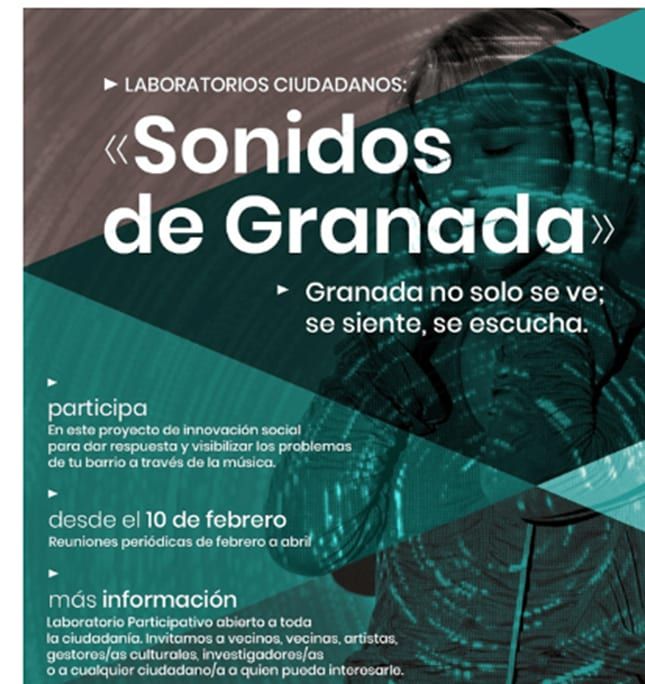
Sonidos de Granada (“Sounds of Granada”) was a participatory citizen lab using sound as a tool to explore local memory, identity, and local culture. Neighbours, artists, students, and researchers worked together to record and map the city’s soundscapes, from fountains and street musicians to daily life and traffic.
Collaborative activities included sound walks, creative workshops, and listening circles, where participants reflected on the meanings of sounds and their links to memory. The project culminated in an interactive sound map (labingranada.org), a living archive that continues to grow and can be used in education, community projects, and urban reflection.
Collaboration Methodology
The project combined sound walks, where participants recorded and discussed urban sounds, with creative workshops to contextualise and curate recordings. In listening circles, participants shared memories and stories tied to specific sounds, creating a bridge between personal experience and collective identity. The process was iterative and flexible, shaped by the participants themselves.
Interview
Case study based on an interview conducted with Sandra Haro Márquez, academic staff and researcher at the University of Granada, currently coordinating Medialab UGR (July 2025).
Successes
- Innovative use of sound as a tool for citizen participation and memory-building
- Strong community engagement from the beginning (through open calls and local networks)
- Flexible methodology, which allowed participants to share the project
Challenges
- No challenges identified.
Stakeholders & Participants

Artists
Artists: Local sound artists recruited through open calls and personal invitations. They recorded and edited sounds, facilitated workshops, and transformed recordings into artistic pieces.

Researchers
Researchers: Researchers from Medialab UGR involved in session design, sound walks, and documentation, motivated to test participatory sound methods for exploring urban memory.

Citizens
Citizens: Residents engaged through open calls and networks, contributing stories, recording neighbourhood sounds, and co-designing the sound map.
Knowledge Valorisation

Main Outputs
- Interactive sound map: labingranada.org
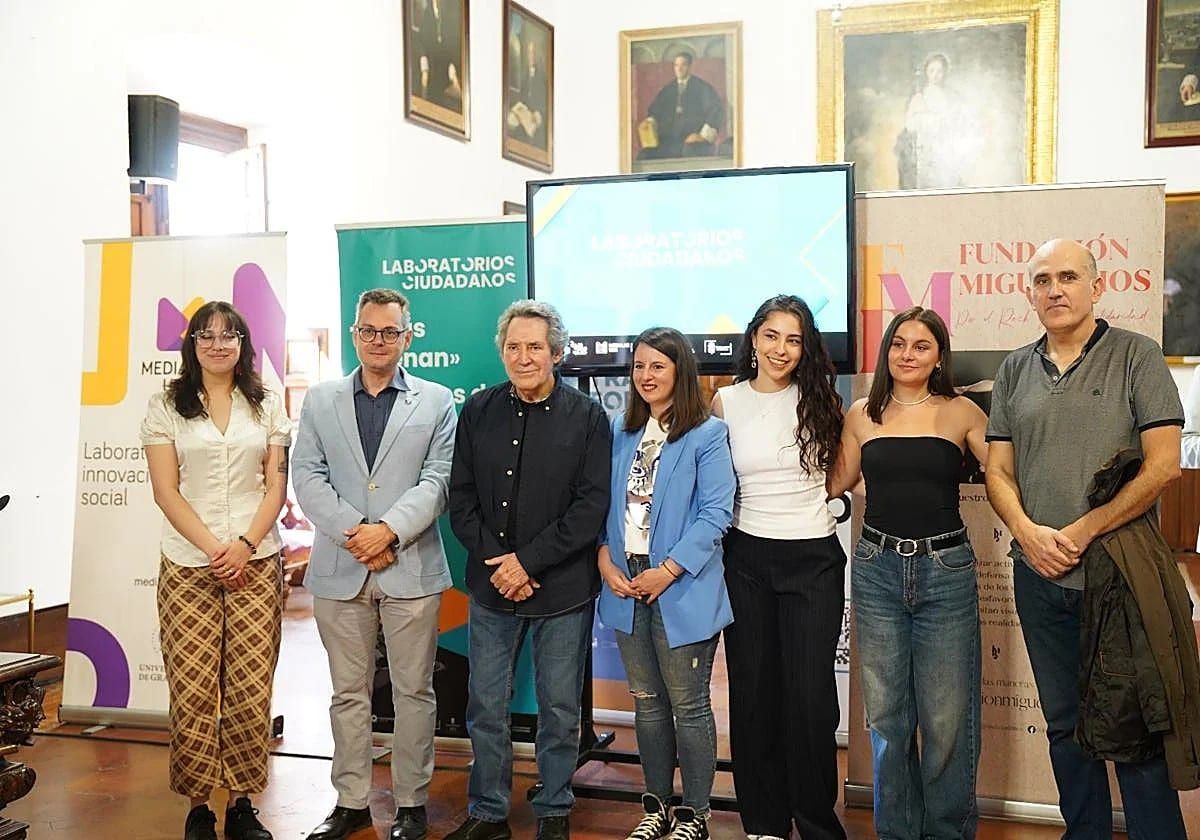
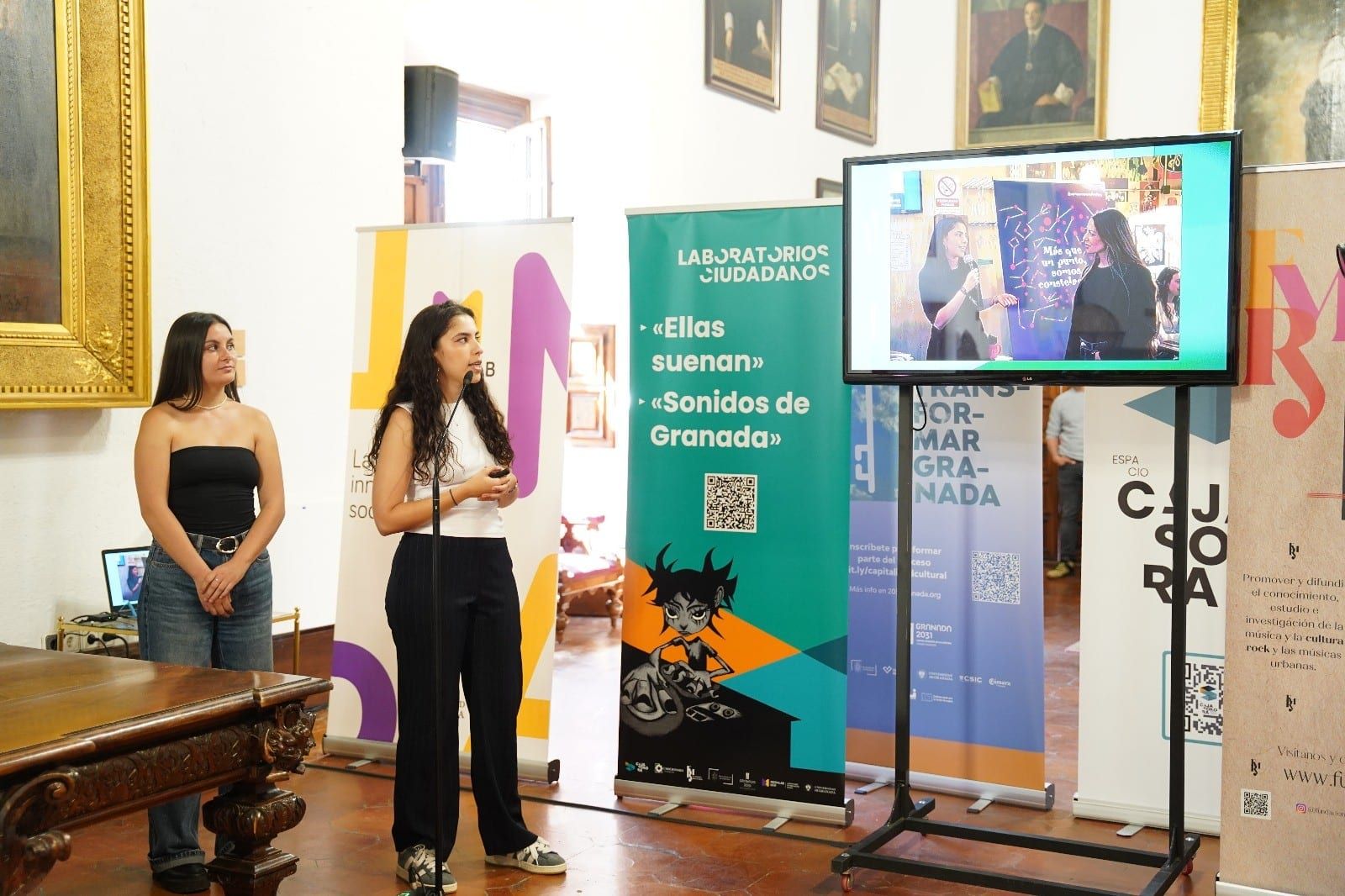
- Public listening sessions and final presentation at the Hospital Real
- Methodological materials for participatory sound-based research

Societal Value
Reconnected citizens with the city through its everyday sounds; fostered democratic participation in shaping collective memory.

Cultural Value
Inspired new artistic and community practices linking sound and memory; created a living sonic archive for Granada.
Knowledge Transfer
The sound map has been used by educators, community groups, and local media as a cultural and educational tool. It also opened conversations about applications in tourism and urban planning.

Creative Methods
Sound walks, participatory recording, storytelling, listening circles.

Unexpected Impact
Everyday sounds became recognised as cultural heritage, turning invisible experiences into a tangible shared archive.
Partcipatory processes
Joint Research
Participants helped shape the themes through open discussions, deciding together which sounds mattered in their neighbourhoods. They collected recordings and reflected on their significance, inspiring opening up research questions around urban identity and memory.
Intermediation
Sound walks, workshops, and group sessions acted as connectors between artists, researchers, and citizens and spaces for dialogue and co-creation, building trust and shared language across sectors.
Engagement
Citizen lab format created participatory spaces. Regular co-design meetings gave participants control over sound routes, recording spots, and even naming of the recordings on the map. This ensured shared ownership and relevance.

Dissemination
The interactive sound map itself was a key creative output, presenting sounds as cultural and emotional stories, complemented by public live listening events and a final presentation at the Hospital Real.
Explore
Further Info