Vivir en Casa
Researchers, citizens and artists co-create technologies and approaches for home-based care, tested in Living Labs that support independent living.
Country
Spain
Duration
2022 – ongoing
Lead partners
University of Málaga (Spain) in collaboration with the Andalusian Regional Government and supported by Next Generation EU funding
Societal areas of impact
Health & Wellbeing, Equity, Diversity & Inclusion
Process
Joint research, Intermediation, Engagement, Dissemination
Brief Description
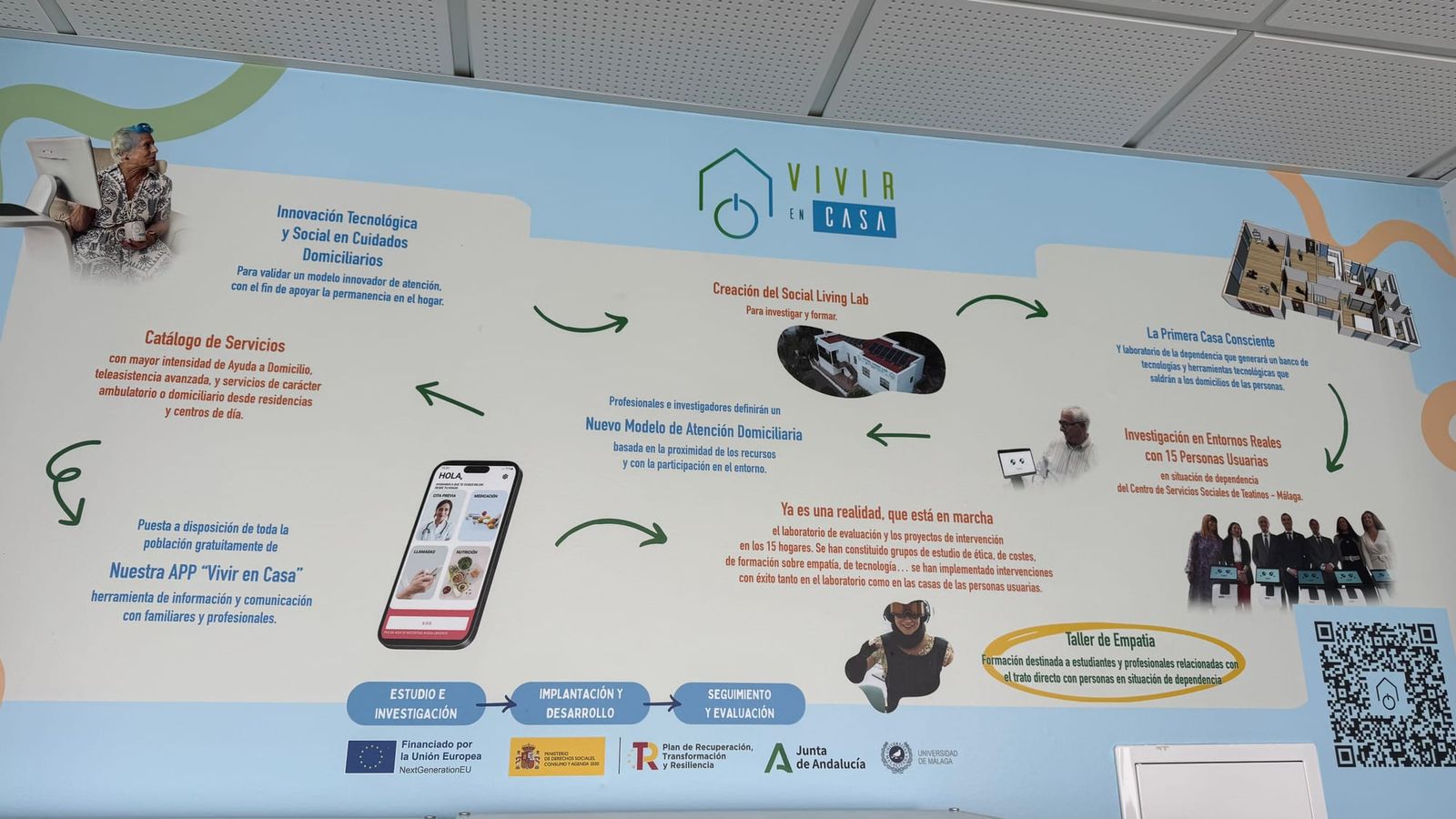
Vivir en Casa is a citizen science project that brings together researchers, citizens, and artists to co-create new approaches to home-based care for dependent individuals. Its aim is to support people in living safely and independently at home while maintaining autonomy, dignity, and social connection.
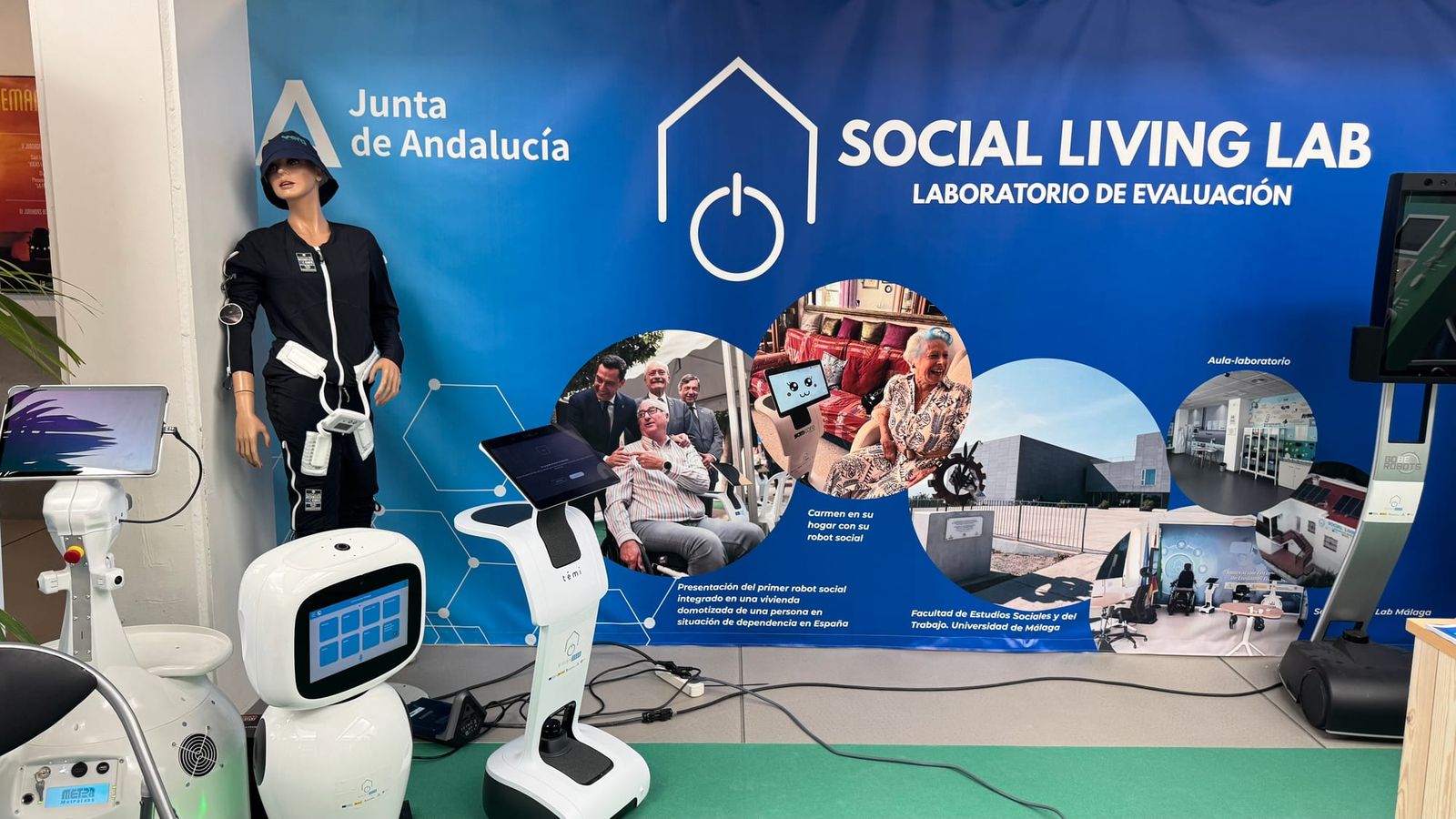
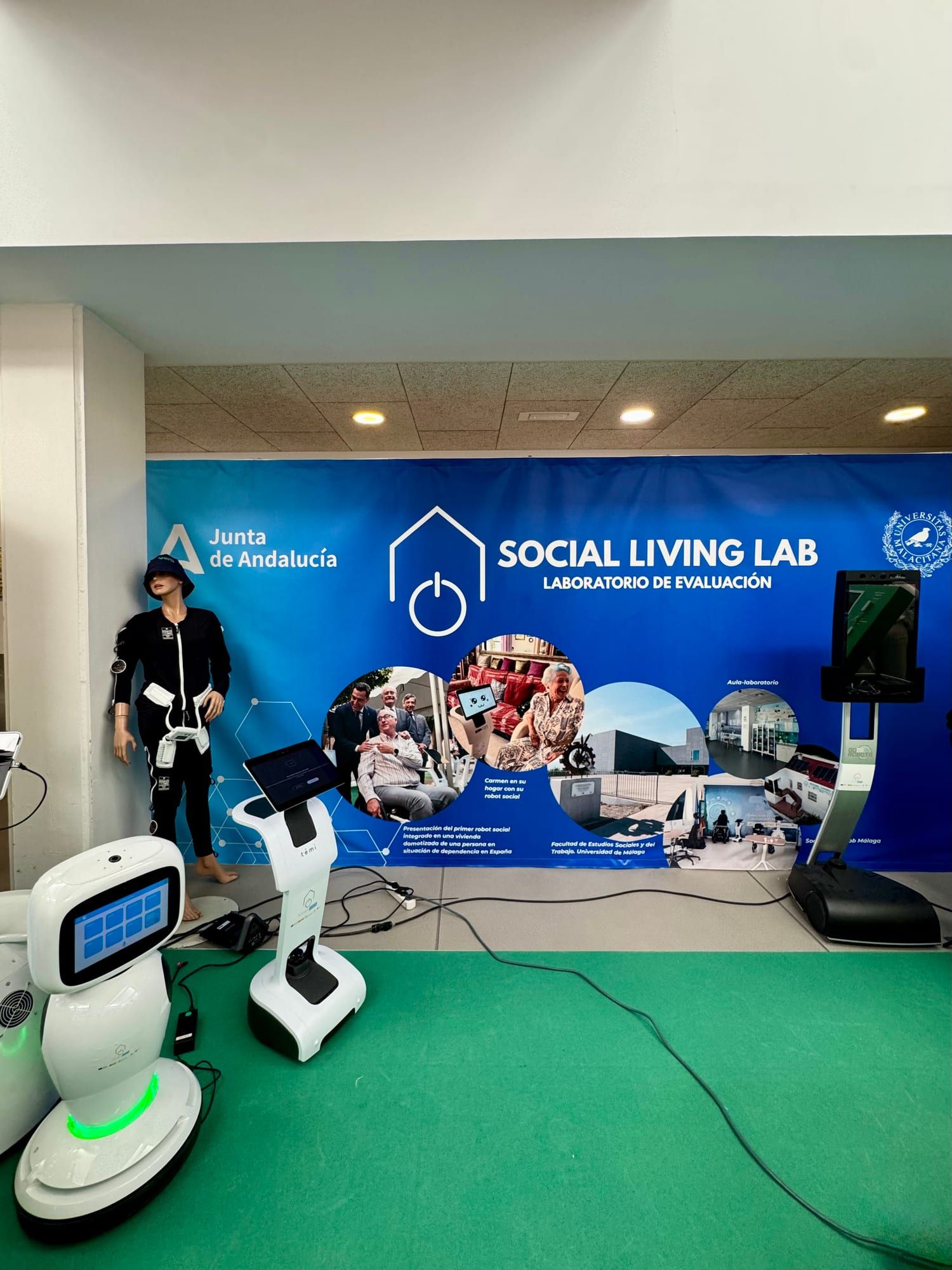
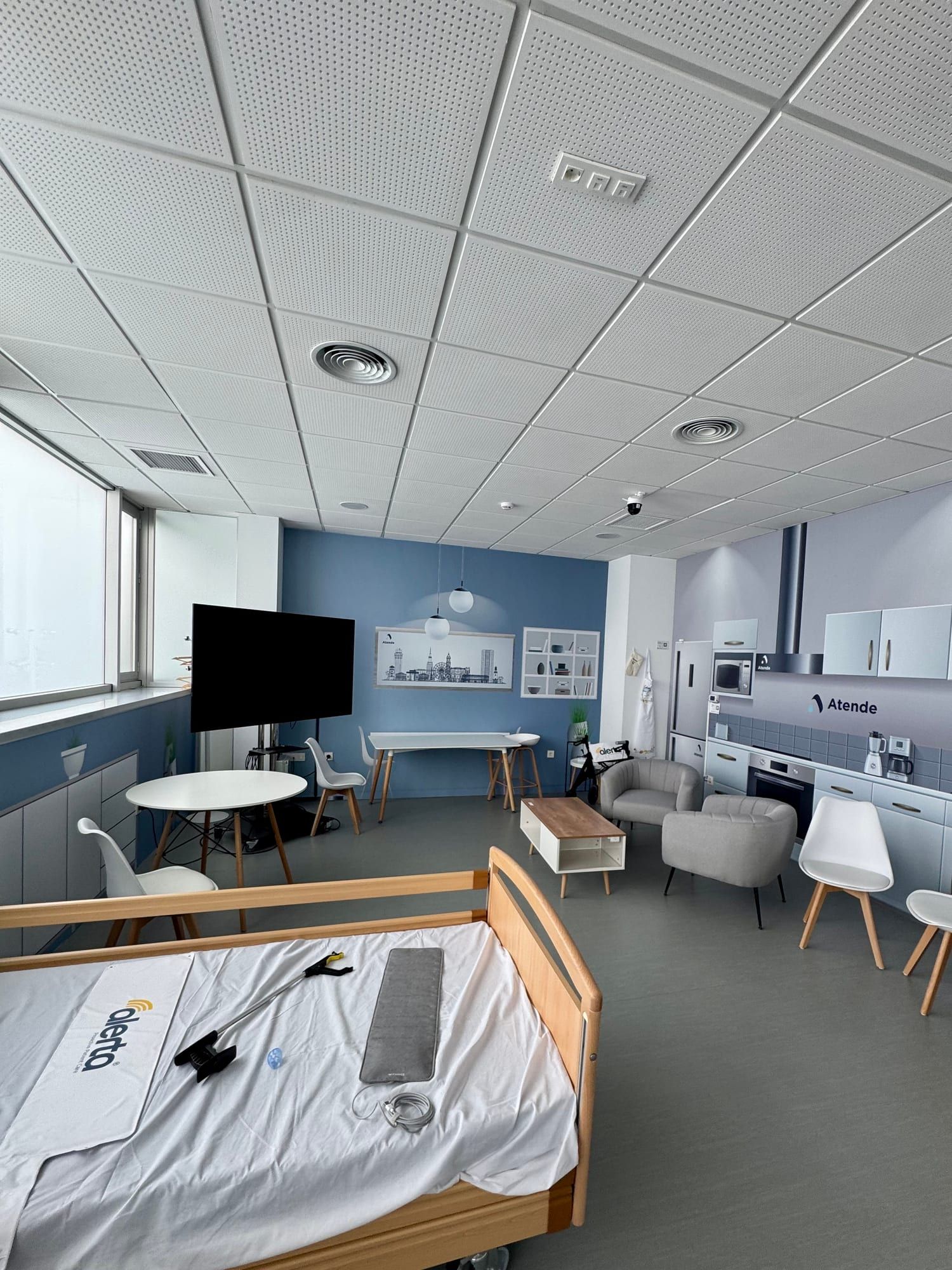
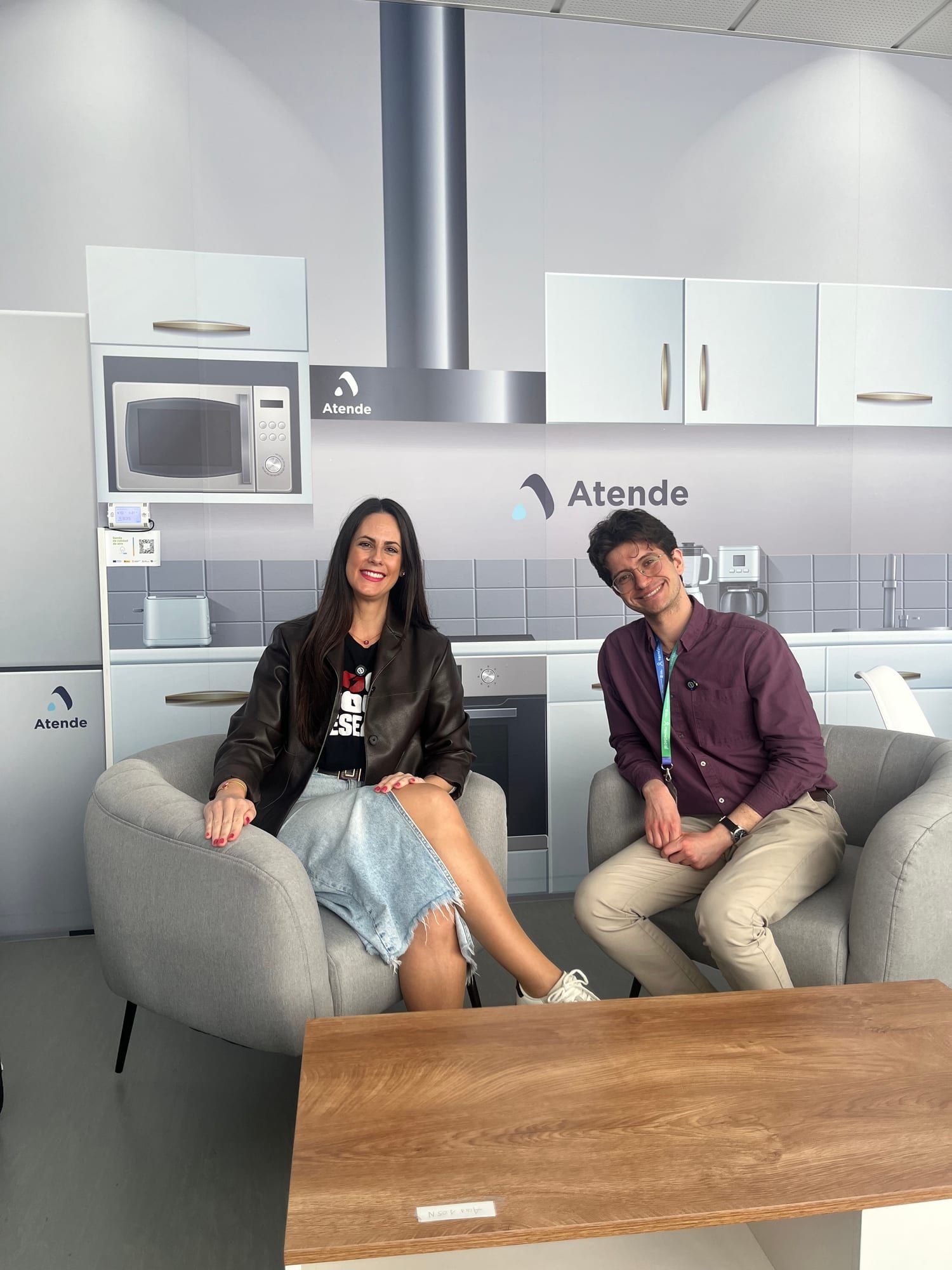
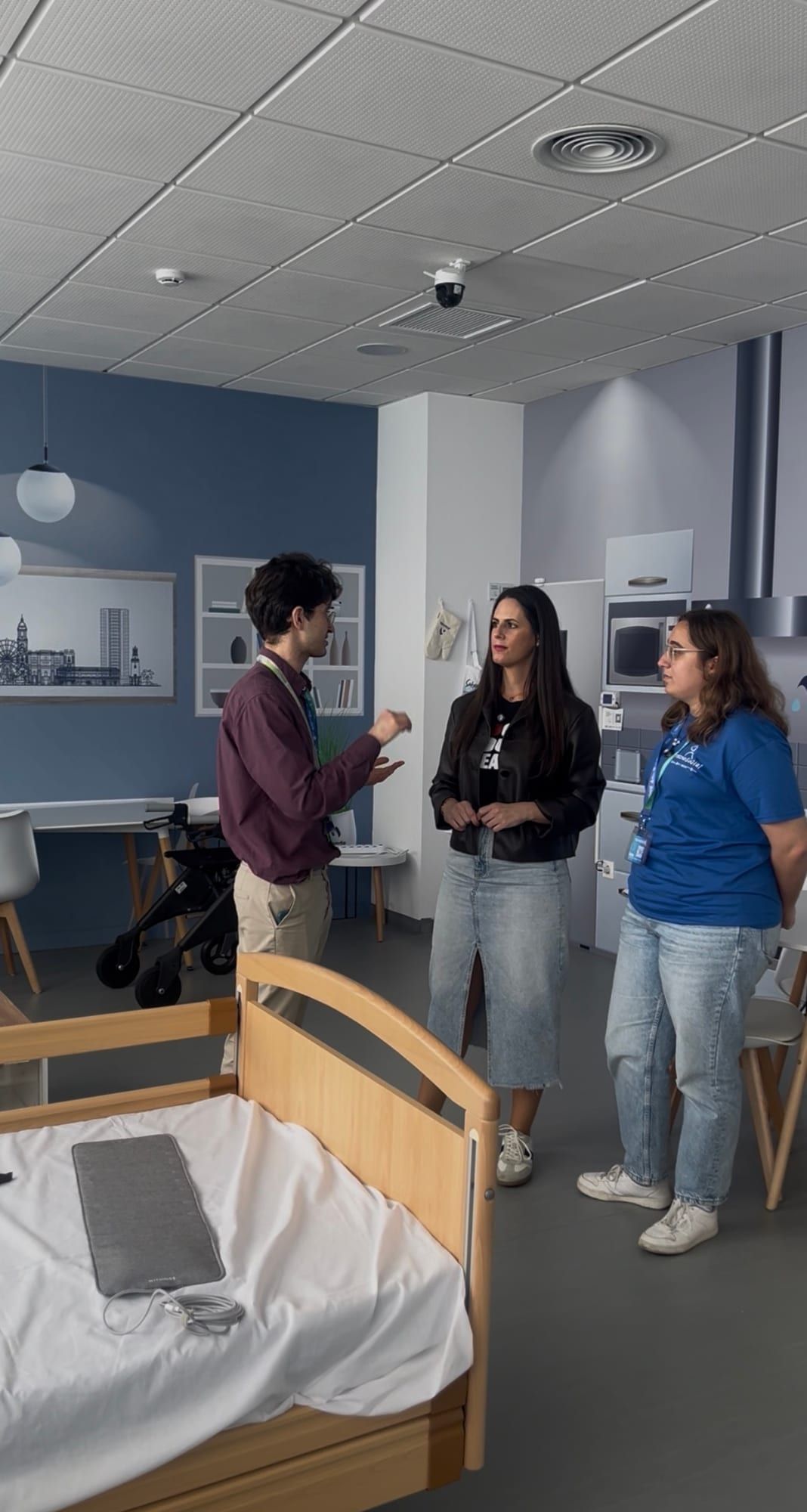
The project is centred on Living Lab environments designed as real domestic spaces, where participants collaboratively explore technologies such as smart home systems, social robotics, and digital tools. These spaces enable direct interaction between users and technologies, ensuring solutions are tested and adapted in realistic conditions.
Collaboration is at the core of the project. Citizens contribute lived experience and identify everyday challenges, researchers translate these into technological solutions, and artists and designers help shape how these solutions are conceived, experienced, and communicated.
Alongside technological development, the project uses creative outputs, such as short films and visual storytelling, to engage wider audiences and stimulate reflection on care and future living scenarios. Through this interdisciplinary approach, Vivir en Casa generates new knowledge about how technology, care, and society can be better aligned.
Collaboration Methodology
The project combines a Living Lab approach with co-creation and user-centred design. Technologies are tested in domestic environments where researchers, citizens, and professionals interact around real-life situations, allowing immediate feedback on usability and relevance.
Co-creation is continuous: users identify needs, test solutions, and share experiences that directly inform how technologies are selected and adapted. Some solutions are further explored in real homes, where their integration into daily routines can be observed and refined.
Creative methodologies are integrated throughout the process. Artists and designers contribute to co-design by developing scenarios and visual approaches that help reframe problems and shape more human-centred solutions. Creative practices are also used to communicate ideas and engage wider audiences.
Interview
Case study based on an interview with Antonio Jerez Cordoncillo, engineer of the project and researcher (March 2026).
Successes
- Use of open, real-life Living Lab environments as the core setting for collaboration.
- Continuous involvement of users, such as citizens and caregivers, who actively shape the identification of needs and the adaptation of solutions.
- Strong interdisciplinary collaboration between engineers, healthcare professionals, users, and creative practitioners.
- Pragmatic approach to innovation, focusing on solutions that respond to real needs and can be realistically adopted and scaled.
Challenges
- Managing communication across diverse disciplines and perspectives.
- Aligning expectations about what technology can realistically achieve.
Needs Identified
- Continuous involvement of users throughout the process.
- Effective interdisciplinary communication.
- Flexibility to adapt or discard solutions based on user feedback.
Stakeholders & Participants

Artists
Artists and creative practitioners play a structural role in the project, contributing to the design of technological solutions by introducing perspectives on usability, perception, and everyday experience, ensuring technologies respond to real-life contexts. They also shape dissemination through creative outputs such as drawings and short films, translating complex ideas about care and technology into accessible and engaging narratives.

Researchers
Researchers from engineering, health, and social sciences at the University of Málaga develop and evaluate assistive technologies, embedded within the Living Lab environments where they collaborate with citizens and stakeholders to integrate user feedback and produce applied, real-world solutions.

Citizens
Citizens – including elderly people, dependent individuals, caregivers, students, and professionals – are active co-creators in the project. They are engaged through open Living Lab spaces, public activities, and direct participation in testing environments.

Other Stakeholders
Healthcare professionals, companies, and public institutions contribute expertise, technologies, and pathways for implementation, supporting the project’s collaborative ecosystem and its potential for scaling and real-world application.
Knowledge Valorisation

Main Outputs
- Assistive technologies tested and adapted through user interaction (e.g. robotics, monitoring systems).
- Two operational Living Lab spaces in Málaga.
- Experiential formats aimed at increasing understanding of dependency and care, such as empathy workshops.
- Creative outputs such as short films and visual materials.

Societal Value
Improves understanding of ageing and dependency by making these experiences visible and participatory, while supporting autonomy and social connection.

Cultural Value
Introduces artistic and narrative approaches to exploring care and technology, expanding how these issues are represented and discussed.

Economic Value
Provides companies with real-user feedback, helping refine technologies and increase their potential for adoption.

Policy Value
Offers a replicable model for integrating technology into care systems through co-creation and Living Labs.
Knowledge Transfer
Knowledge is shared through hands-on interaction in Living Labs, collaboration with professionals and companies, and public-facing activities. The model has also informed similar initiatives elsewhere.

Creative Methods
Co-design with artists and designers; storytelling through film and visual media; immersive empathy workshops that allow participants to simulate physical limitations associated with dependency and experience everyday challenges from a first-person perspective; and experiential Living Lab environments.

Unexpected Impact
The project’s collaborative approach has been replicated in other contexts, and it has highlighted the value of combining high-tech and simple, low-tech solutions.
Partcipatory processes
Joint Research
Research is shaped directly by collaboration between citizens, researchers, and creative practitioners. Needs identified through user interaction in the Living Labs determine which technologies are explored and how they are adapted, ensuring that solutions emerge from real-life contexts.
Intermediation
The project creates connections between groups that do not interact directly, including engineers, healthcare professionals, companies, and citizens. The Living Lab functions as a shared space where technologies are discussed, tested, and reinterpreted collectively, enabling knowledge to flow between technical and everyday contexts.
Engagement
Engagement is embedded in Living Lab environments that are open to the public, where participants actively interact with technologies. Citizens, students, and professionals visit, test devices, and relate them to their own experiences, creating an ongoing dialogue between users and researchers.
Dissemination
Creative approaches are used to communicate the project beyond academic audiences. Student-produced films and visual outputs translate complex ideas about care and technology into accessible narratives, reaching wider public and cultural spaces.
Explore
Further Info
- Project website: vivirencasa.org
- Instagram: @vivirencasauma
- LinkedIn: vivirnecasauma
Recognition
- Finalist in “Research for Social Services”, European Social Services Awards (ESSA) 2025.
- Recognised by the Spanish Ministry of Finance as an outstanding best practice within the Spanish Recovery Plan.
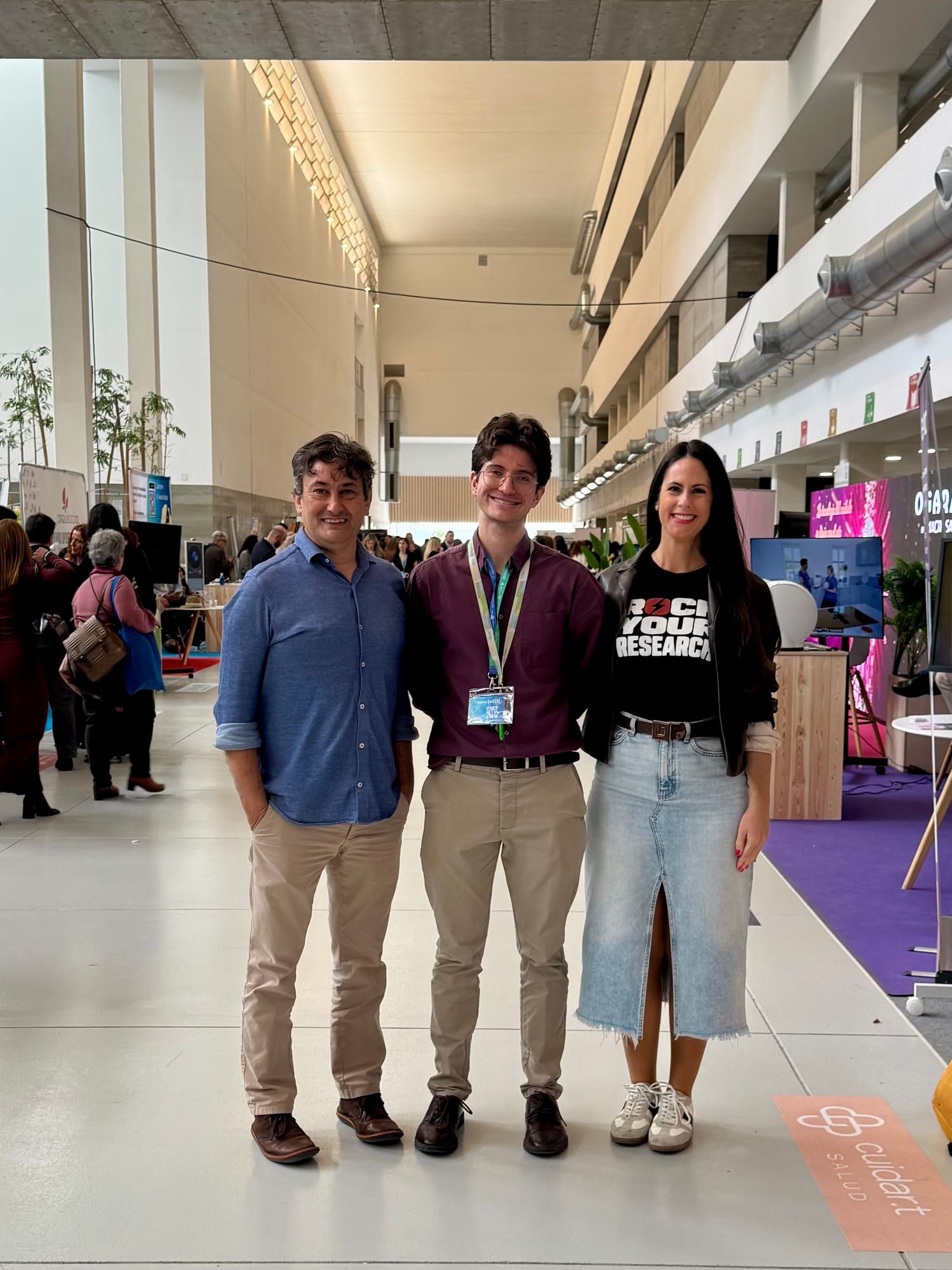
- Featured at international forums, such as Tecnosocial, and had its own international congress.
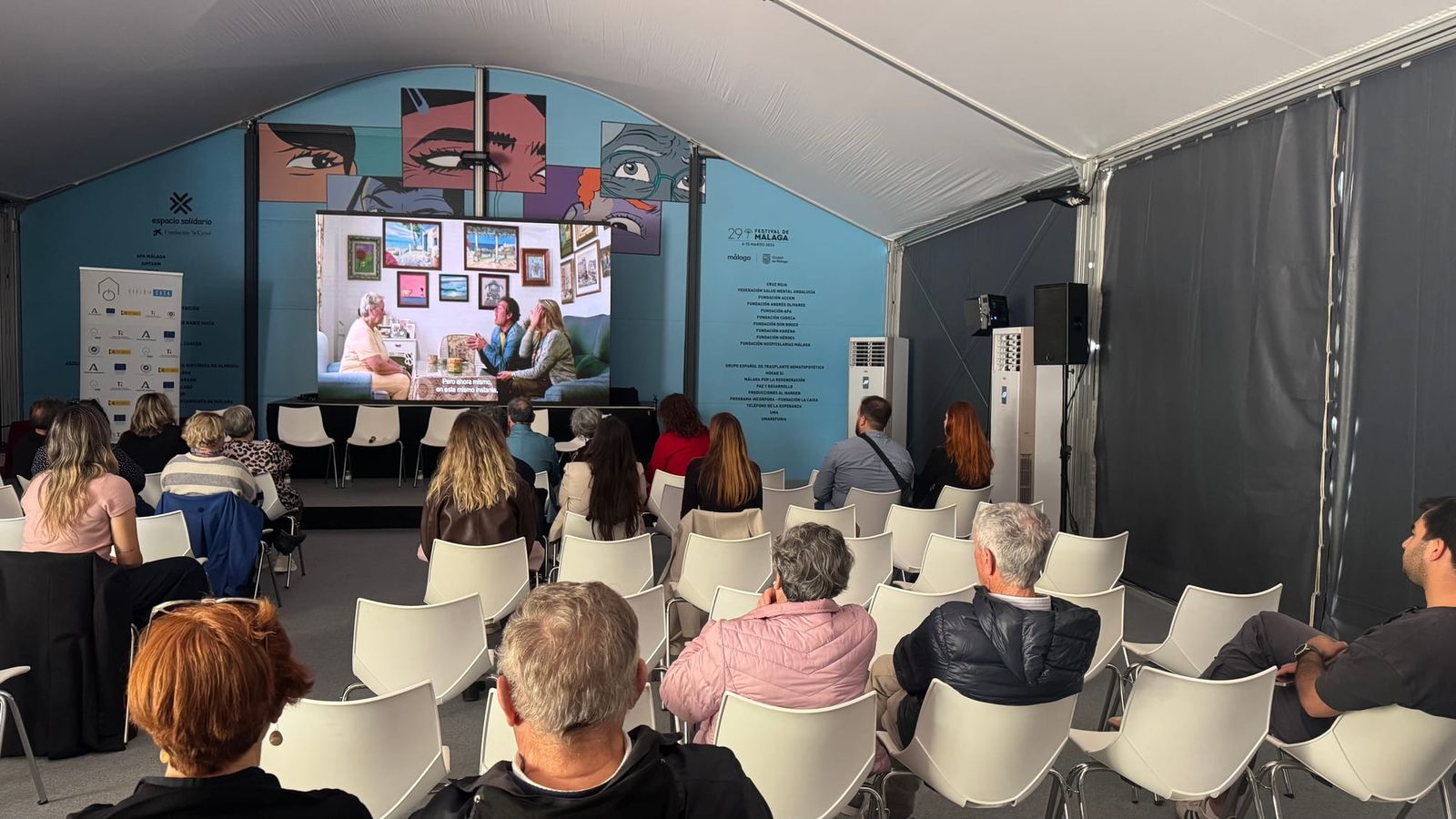
- Presented at the 29th Málaga Film Festival through a short film called “TEMI”.
- Featured in a European Commission promotional spot as a Next Generation EU–funded project.
Media coverage: extensive coverage across national media (RTVE, Canal Sur, Europa Press), academic publications, and public events.